Phase and concern
Night hot flashes in Postmenopause
For night hot flashes in postmenopause, start with the simplest useful step: track symptoms, improve sleep and meals, then discuss specialist care if symptoms disrupt work, sleep, relationships or daily life. Products or supportive tools can support care, but they should not replace medical assessment.

Postmenopause is the permanent phase after menopause - estrogen stays low, and long-term effects become priorities: osteoporosis, heart disease, genitourinary syndrome of menopause. Although acute symptoms like hot flashes typically ease within 4-7 years, some health risks rise progressively. Night hot flashes (night sweats) are hot flashes during sleep, causing middle-of-night waking and daily fatigue. Malaysia's humid climate worsens this. For night hot flashes in the postmenopause phase, start with lifestyle basics, then discuss supplements or clinical treatment if symptoms disrupt quality of life. Discuss with Malaysian obstetrics and gynaecology specialist for a next-step plan based on your symptoms, medicines, and screening history.
Quick guide
What should you do next?
- Step 1 Track what is happening
For Night hot flashes in Postmenopause, note timing, triggers, severity and impact on sleep or work for 2 to 4 weeks.
- Step 2 Start with safe basics
Prioritise sleep, hydration, meals, daily movement and supplement label checks before buying.
- Step 3 Discuss care with a clinician
Seek medical assessment if symptoms disrupt daily life, bleeding is unusual, or you are considering hormone treatment.
How to find a specialist
Tips for this phase
- For night hot flashes in postmenopause, 4-8 week symptom journal
- Discuss with obstetrics and gynaecology specialist if symptoms disrupt quality of life
- Relevant support options: cooling pillow gel, soy isoflavones solgar
- Halal-friendly approaches available in Malaysia
Relevant support picks
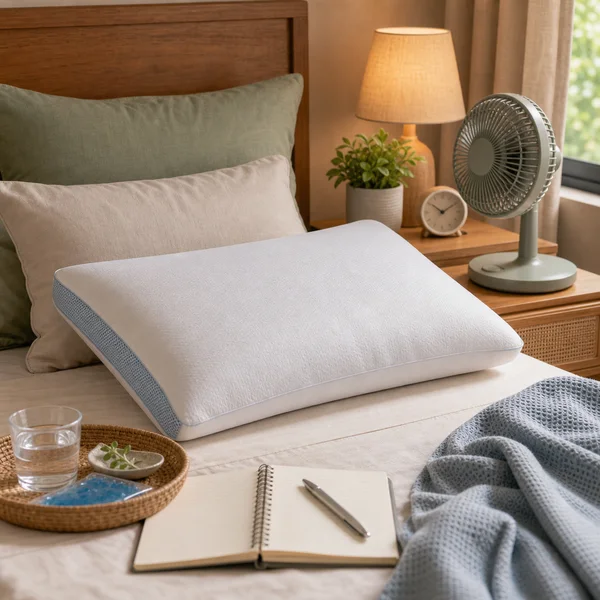
Various brands
Gel-Infused Memory Foam Cooling Pillow